An insight into smarter, kinder and more meaningful use of paid media for brand building.
In 2007 while introducing Facebook Ads, the CEO said, “A completely new way of advertising online. For the last hundred years media has been pushed out to people, but now marketers are going to be part of the conversation. And they’re going to do this by using the social graph in the same way our users do.”
From then to now, paid media has long been a central pillar of digital strategy. But as we move ahead, it is no longer about big budgets or promotion. It is about smarter spend, kinder experiences and more meaningful information.
Across the globe, we’re seeing strict privacy regulations, evolving consumer expectations and decline in organic reach. These shifts are redefining the future of paid marketing and how brands approach paid media in 2026.
In this article, we offer a fresh mindset to help you navigate these shifts. We offer practical levers for efficiency, personalisation, retargeting and social listening. But before we dive in, let’s take a quick look at the key paid media trends.
a. Paid media still dominates ad spend – global ad revenue to grow by 7.1% in 2026, where paid media will own a major share. This is more true as organic reach declines and platforms push monetised content.
b. Social media ad spend is accelerating – data says that social media ad spend will reach $445 billion in 2026. Facebook and Instagram will account for +55% of ad revenue while TikTok’s ad income will grow by 35% YoY.
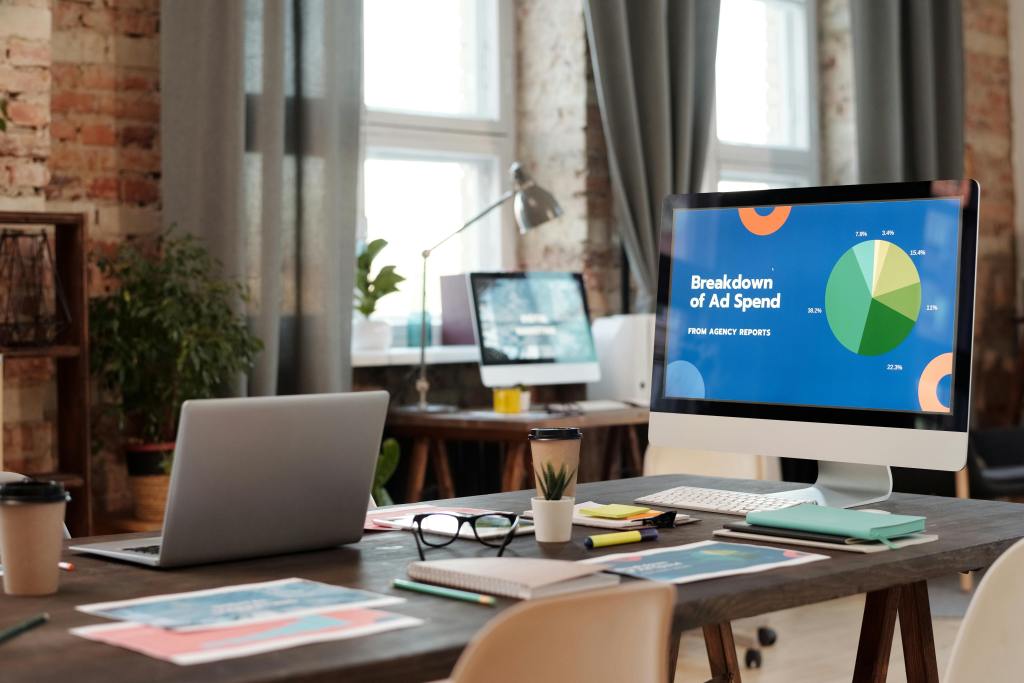
c. ROI and engagement stay as core priorities – paid social ads deliver strong return on marketing investment. Advertisers report an average $5.20 return for every $1 spent, highlighting the value of paid media when executed well.
Four themes shaping paid media in 2026
Smarter spend in AI‑driven optimisation
One of the biggest shifts is how paid media buying is managed. Tools from major platforms are automating bid strategies, creative variants and audience targeting in real time. Early adopters report increased ad efficiency and smarter allocation of budget thanks to predictive optimisation. Artificial intelligence is providing marketers with systems that foresee intent and adjust for optimal impact and they do so with less manual intervention.
What you should be doing:
- Invest in predictive analytics and conversion API frameworks to avoid redundancy and improve attribution
- Use AI creatively, keep human oversight for brand governance and narrative coherence
Kind automation in creative personalisation
Intelligent tools can optimise dynamic ad creation. They take context and intent into consideration and create ads that resonate with our audiences. Latest data says video ads deliver up to 34% higher conversion rates than static ads. Shoppable posts drive 1.7 times more click-through than standard formats. But with personalisation comes the need for guardrails to respect data privacy, consent and ethical practices.

What you should be doing:
- Build personalisation strategies based on consented and clean data
- Review the machine-generated creatives and adjust on audience signals and DEI aspects
Evolved retargeting from cookies to cues
Traditional cookie‑based retargeting is no longer effective due to privacy concerns. iOS tracking limitations restrict audience measurement. Shrinking pixel-based audience segments have compelled marketers to adjust their strategies. Marketers now retarget based on behavioural cues. Retargeted campaigns on Facebook often see 70% higher conversions versus fresh campaigns.

What you should be doing:
- Track engagement patterns (e.g., video views, watch times, deep scrolls, CTA interactions, cart actions, email engagements) for behavioural signals
- Map this with first‑party lists for persona modelling to expand reach
Getting audience signals with social listening
Social listening is gathering real‑time audience data from conversations across social networks. Recent research shows only 62% of marketers use social listening tools. They use them to detect early interests and sentiment shifts to adjust creative messaging before or during campaigns. They also help them to recognise cultural trends and confirm hypotheses for audience segments that’s key for activating or pausing paid campaigns.

What you should be doing:
- Build social listening into your paid media planning cycle as early as discovery and creative planning stages
- Use listening insights to map audience intent signals, translate them into targeting criteria, creative messaging or tune adjustments
The real challenge in paid media is rarely reach, it’s making every pound count
In our experience working with service-led organisations, we’ve seen performance plateau not because campaigns didn’t have a vision, but because spend was optimised around surface-level signals rather than audience intent.
In one of our human consulting and intelligent tech campaigns, we shifted focus toward behavioural cues and journey-stage context, we saw engagement change meaningfully. This became evident when scaling a campaign across multiple channels during a wider brand refresh, where consistency of message mattered more than anything else.
What stood out was that paid media performed best when it amplified intent already forming, rather than bidding for awareness (impressions). AI tools proved valuable for pattern recognition and analysis, but outcomes were shaped by human judgement which understood audience nuance, creative context and where automation needed restraint.
How to achieve sustainable paid media operations
In the current scenario, paid media strategies should start with purpose before spend. Investment should be guided by defined business goals rather than a pursuit of vanity metrics. At the same time, brands must balance automation with human oversight. While AI can streamline optimisation and scale execution, humans should control creative direction and brand voice to make sure campaigns stay on-brand and avoid reputational risk.
Another important point is human-centric personalisation. Audiences are becoming resistant to generic or intrusive targeting. Relevance and respect are critical to campaign outcomes. Personalisation that honours user preferences and privacy improves performance as well as strengthens brand trust and affinity. This reflects a human-first marketing approach to paid media.
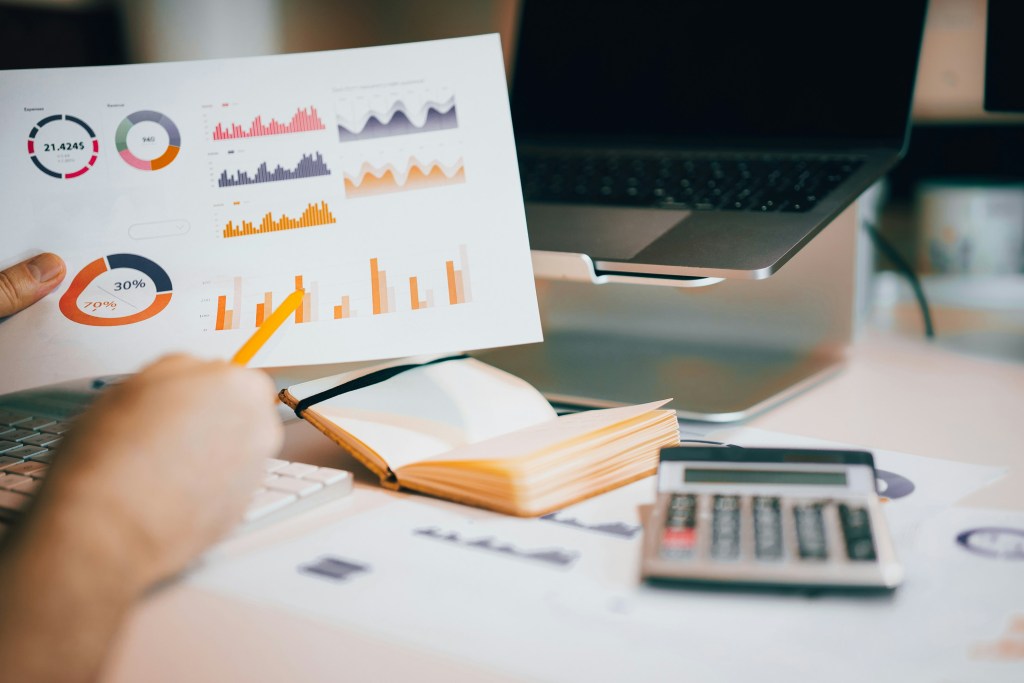
Finally, marketers must prioritise measurement with meaning. Moving beyond last-click attribution to journey-based approach helps brands understand the true impact of paid media. This approach moves away from measuring isolated conversions and connects campaigns to holistic business results.
In conclusion, paid media remains a powerful lever when it is intentional, human‑first and audience‑driven. For brands in the UK, Europe and India, markets vary in regulation. They also differ in cultural context and consumer behaviour. These differences mean tailoring paid media not just for performance. It should also aim for meaningful engagement and sustained relevance.
Let’s talk 👋
At Hype Digital, we believe success in paid media in 2026 will come not from doing more. It will come from using insights ethically. It will also come from directing investments strategically.