For years, digital marketing relied on cookies tracking behaviour, platforms stitching journeys together and attribution models promising predictable outcomes. These systems told us who our audiences were, where they went and what they were likely to do next. This made it easier to optimise campaigns, personalise messaging and measure performance.
Today, we are witnessing more than just the decline of cookies.
It is a broader reset in how data, privacy and trust intersect in the digital economy. In the UK and across Europe, tighter privacy regulation, browser changes and growing consumer awareness have resulted in signal loss — the gradual disappearance of usable data signals.
The reality of signal loss
Signal loss is the cumulative result of browser restrictions, operating system changes, consent frameworks and regulatory enforcement.
Safari and Firefox browsers have blocked third-party cookies for years. Google has abandoned its long-standing plan to phase out third-party cookies in Chrome, shifting to a “user-choice” model. Apple’s App Tracking Transparency has altered collection of mobile data.
Consent banners, once treated as a formality, now decide what data can and cannot be used.
For UK and EU marketers operating under GDPR, this translates into fewer user signals and more fragmented attribution. This leads to reduced visibility across customer journeys. With such incomplete information, they are at a disadvantage when deriving campaign performance or planning for the next campaign.

Privacy regulation as a strategic inflection point
The UK GDPR and EU GDPR have been in place for several years, but enforcement and awareness have intensified now. Regulators are clearer about expectations and consumers are more aware of consent, tracking and data value. Generic targeting and unclear data practices feel intrusive and undermine the trust of the consumers.
Why third-party data is no longer enough
Third-party data once allowed brands to target audiences they did not own and optimise journeys without ever building direct relationships. Currently, how organisations collect, explain and use data now influence perception, loyalty and long-term credibility.
In the UK, the Information Commissioner’s Office has consistently reinforced accountability, transparency and purpose limitation.
Across Europe, enforcement actions have reinforced the message that privacy expectations are evolving and compliance can’t be treated as static.
What this means in practice is that privacy can no longer sit with legal teams alone. It is now a core marketing design consideration.
First-party data as a trust signal, not a dataset
First-party data is the outcome of a relationship built on clarity, value and consent. It is simply not information collected directly from audiences. This data include website interactions, email subscriptions, CRM records, survey or feedback, community engagement and event participation.
This is where trust-led marketing intersects with customer experience strategy. Brands that succeed understand why someone is sharing their data, what they expect in return and how consistently that expectation is met.
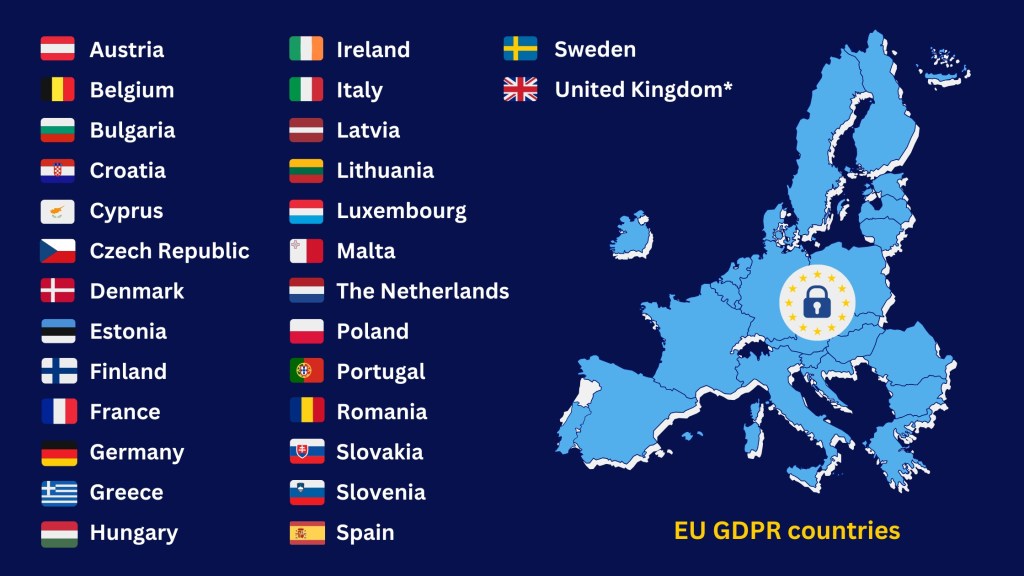
* Although the UK has departed from the EU, the GDPR was active before its exit and is still considered a valid UK law. Both in the UK and EU context, the purpose of data collection must be clear to the user. Without clarity, it is unlikely to earn long-term trust or regulatory confidence.
Designing for consent, not compliance
Poorly designed consent journeys rely on confusing language and prioritise legal protection over user understanding. In contrast, a good consent design explains value in plain language, respects genuine choice and aligns with brand tone.
Regulators assess not just whether consent exists, but how it is obtained. Brands that invest in clarity and respect in acquiring consent are better positioned strategically and legally.
Consent, when designed thoughtfully, becomes part of the whole customer experience.
Having seen this play out across UK and global organisations, privacy design is rarely just a legal checkpoint. It is a system decision that directly shapes customer experience and the quality of first-party data. Legal teams are right in their position to reduce risk and protect the organisation, but in several projects we have seen consent mechanisms slow acquisition when treated purely as compliance artefacts. A consent journey designed as part of the customer journey improved trust and data usefulness.
The difference usually comes down to how clearly the value exchange is framed. When teams invest time in shaping consent journeys, including when users are asked, how options are presented and how benefits are explained, the trust signals by the users are clear. Opt-in rates stabilise, drop-offs reduce and customer insights become more reliable. In practice, this work requires ongoing alignment between brand, legal, marketing and leadership, with shared accountability for long-term impact and brand protection.
Rethinking measurement when signals are limited
One of the most visible impacts of signal loss is measurement. Marketers who were used to granular attribution now face incomplete conversion paths, discrepancies between platforms and delayed reporting.
The response to this deviation should not be to chase perfect attribution. Avoid focusing on last-click models. Instead, redefine what meaningful measurement looks like.
Trust-led marketing relies on aggregated metrics and patterns rather than individual-level tracking. While this requires adjustment, it also reduces dependency on fragile systems that break as regulations change.

The role of platforms and browsers
Platforms and browsers play a defining role in the post-cookie landscape. Walled gardens continue to prioritise their own first-party ecosystems, while browsers increasingly position themselves as privacy guardians.
A resilient strategy recognises platform constraints while investing in owned touchpoints: websites, content ecosystems, CRM systems and communities. In Europe, regulatory scrutiny of big tech is intensifying through frameworks like the Digital Markets Act. Here balance becomes even more important.
Does respecting privacy undermine performance

In practice, the opposite is often true. When audiences trust brands, they engage more willingly, share more meaningfully and stay loyal for longer. The clarity brought by trust-led strategies improves creative quality, relevance and overall efficiency.
It also aligns with a broader shift towards human-centric marketing, where technology supports decision-making rather than replacing judgement.
Digital marketing’s grounded future in the post-cookie world
Future-proofing marketing data means embedding privacy into strategy rather than fitting it later. It is early investment in first-party relationships and training teams to interpret data thoughtfully.
Signal loss may have closed some doors. But it has opened a more sustainable path ahead.
For the UK and European brands navigating this shift, the opportunity is in building strategies that respect privacy and value consent and prioritising long-term relationships over short-term gains.
Let’s talk 👋
At Hype Digital, we believe responsible data strategies do not weaken marketing effectiveness. They demand clearer intent and more respectful relationships. If you’re rethinking how your data and performance strategies need to evolve, we’d love to talk.